

 Ant Baits
 Birdseed Moth Trap
 Fly Trap Max
 Fly Trap, Big Bag
 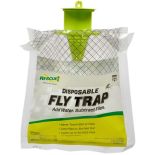 Fly Trap, Disposable
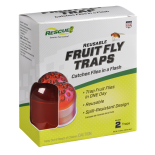 Fly Trap, Fruit Fly
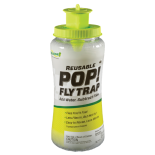 Fly Trap, POP! Fly
 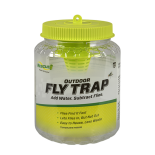 Fly Trap, Reusable
 FlyPad
 Japanese & Oriental Beetle Trap
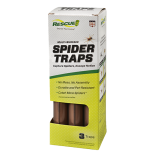 Spider Trap
 TrapStik, Carpenter Bee
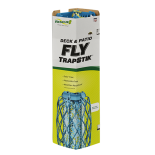 TrapStik, Deck & Patio Fly
 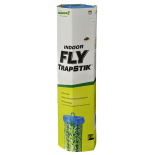 TrapStik, Indoor Fly
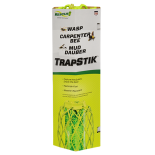 TrapStik, Wasp
 W·H·Y Trap for Wasps, Hornets & Yellowjackets
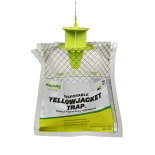 Yellowjacket Trap, Disposable
  Yellowjacket Trap, Reusable
  Ants
Ants Biting Flies
 Carpenter Bees
 Flies
Flies Fruit Flies
 Hornets
 Japanese Beetles
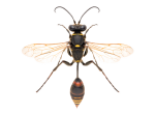 Mud Daubers
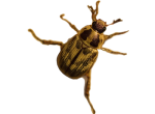 Oriental Beetles
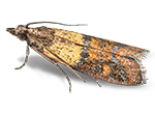 Birdseed & Pantry Moths
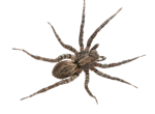 Spiders
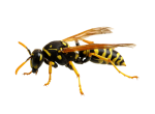 Wasps
Wasps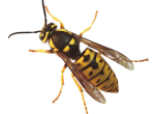 Yellowjackets


Spiders
Over 45,000 species of spiders are found throughout the world. Some are poisonous, some build webs to catch prey, and nearly all are the object of common human phobias. Spiders symbolize patience due to their hunting technique of setting webs and waiting for prey.
Geographic Region
Spiders are found throughout the world, on every continent except Antarctica.
Natural Habitat
Spiders live in almost every habitat on earth, except for polar regions, oceans and high mountains.
Weather Conditions
Spiders can survive in harsh conditions, but extreme cold or rainy weather can cause some spiders to head indoors.
Behavior
Spiders will only bite humans in self-defense, and most spider bites are less dangerous than a mosquito bite or yellowjacket sting. The bites of brown recluse spiders and black widow spiders are among the most dangerous, but those spiders would rather flee from humans and will bite only when trapped.
Unique Characteristics
Spiders are able to blend into their natural surroundings.
Related Products
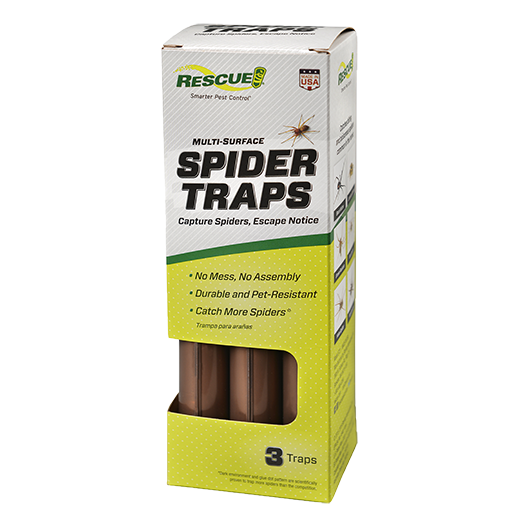
Spider Trap
The RESCUE! Spider Trap is ready right out of the box -- just place it wher...
VIEW PRODUCT »
Common types of Spiders


Related Articles
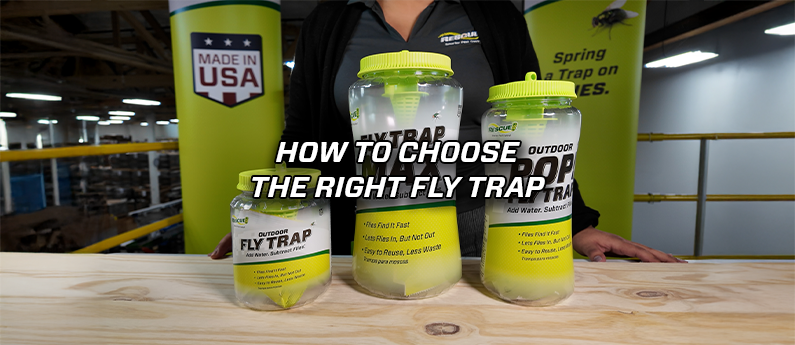
Not sure which fly trap you need? This quick guide breaks down RESCUE!® fly trap options and helps you choose the right one based on your fly problem, yard size, and preference for disposable or reusable traps.
Read More »