
 Ant Baits
 Birdseed Moth Trap
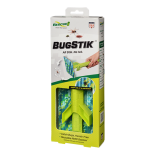 BugStik
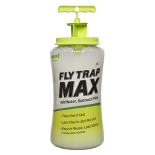 Fly Trap Max
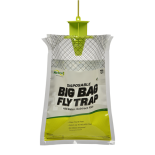 Fly Trap, Big Bag
 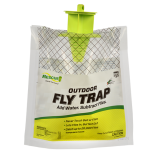 Fly Trap, Disposable
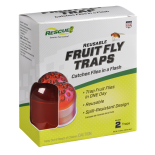 Fly Trap, Fruit Fly
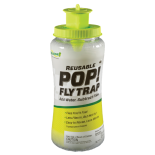 Fly Trap, POP! Fly
 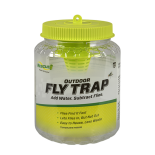 Fly Trap, Reusable
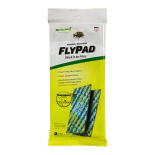 FlyPad
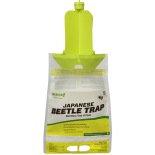 Japanese Beetle Trap
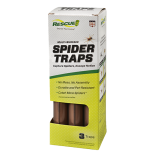 Spider Trap
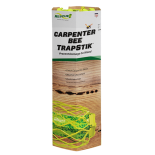 TrapStik, Carpenter Bee
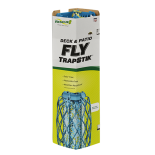 TrapStik, Deck & Patio Fly
 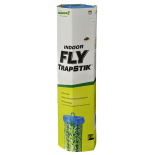 TrapStik, Indoor Fly
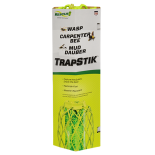 TrapStik, Wasp
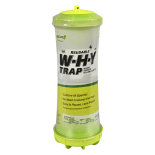 W·H·Y Trap for Wasps, Hornets & Yellowjackets
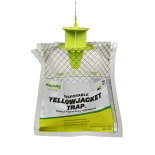 Yellowjacket Trap, Disposable
  Yellowjacket Trap, Reusable


Flies
They’re common, annoying and unsanitary. Flies carry all kinds of filth and disease on the surface of their sticky feet.
Around 12% of the known species of insects in the world are flies of various types. Some of those species are actually considered beneficial because they prey on pest insects. However, most of the flies that are found near human and animal habitats are simply nuisances, commonly called "filth flies".
Geographic Region
Originally from central Asia, the common housefly is one of the most ubiquitous insects around the world. Flies are found in temperate regions wherever humans and animals reside, both urban and rural.
Natural Habitat
Flies seek moist organic matter -- garbage, animal feces and compost -- in which to breed and lay their eggs. Horse stables and dog kennels are prime sources of fly infestations. An adult female housefly may lay up to 2,400 eggs in her lifetime. The eggs can hatch into larvae (maggots) in a single day. In hot weather, it can take only eight days for the eggs to complete the life cycle and become adult flies.
Weather Conditions
The warmer the weather, the faster the flies are produced. Fly problems usually worsen during or just after hot spells.
Behavior
Flies land upon any kind of filth and carry it with them because of the sticky surface of their feet. Flies also regurgitate their stomach contents on any surface where they land.
Unique Characteristics
Flies have a mobile head with antennae, a large pair of compound eyes, and a proboscis designed for lapping and sucking. They have claws and pads on their feet which enable them to cling to smooth surfaces.

RESCUE! Products are proudly made in the USA.
Related Products
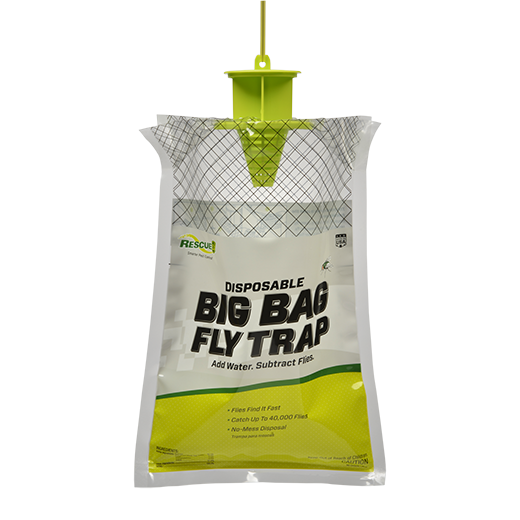
Fly Trap, Big Bag
The RESCUE! Big Bag Fly Trap contains a powerful lure that dissolves quickl...
VIEW PRODUCT »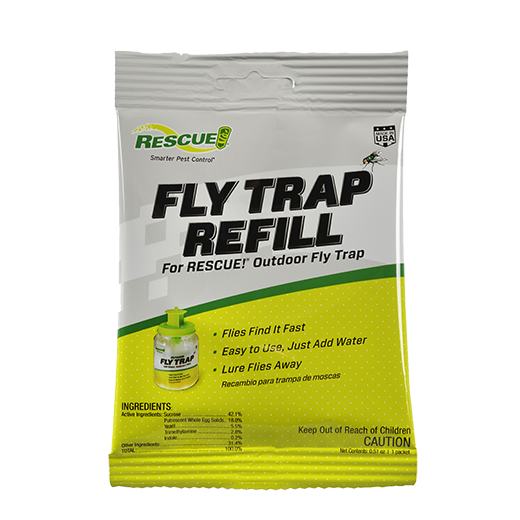
RESCUE! Fly Trap Refill
The RESCUE! Fly Refill works inside the RESCUE! Reusable Fly Trap to l...
VIEW PRODUCT »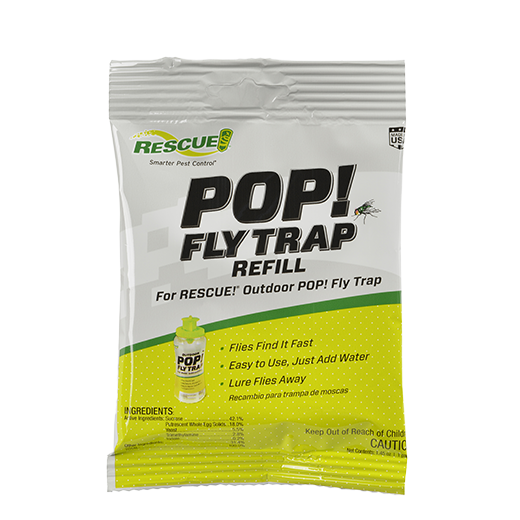
RESCUE! POP! Fly Trap Refill
The RESCUE! POP! Fly Refill works inside the RESCUE! Reusable POP! Fly...
VIEW PRODUCT »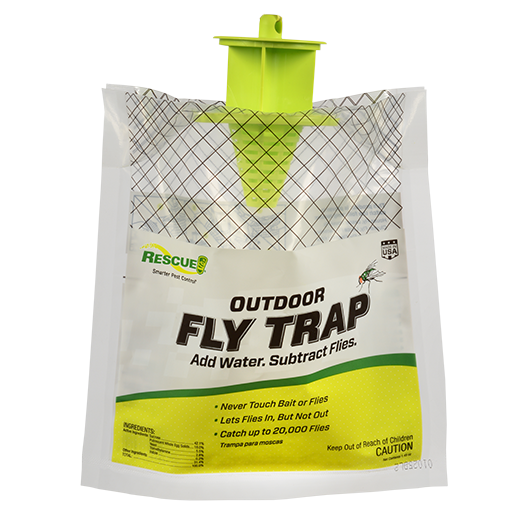
Fly Trap, Disposable
Simply cut the clear plastic circle at the very top, following the scissor symbo...
VIEW PRODUCT »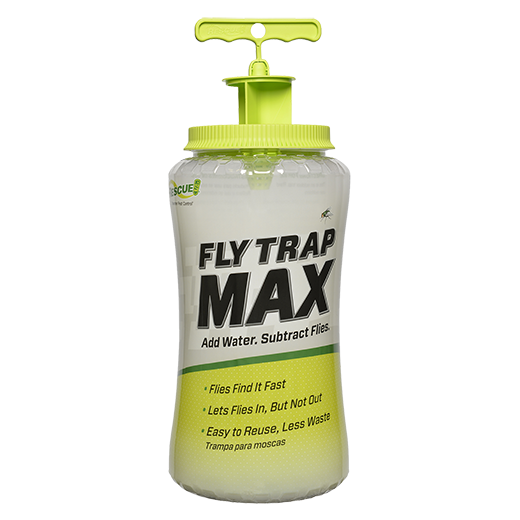
Fly Trap Max
Take catching flies to the MAX. The RESCUE! Fly Trap Max is our biggest fly trap...
VIEW PRODUCT »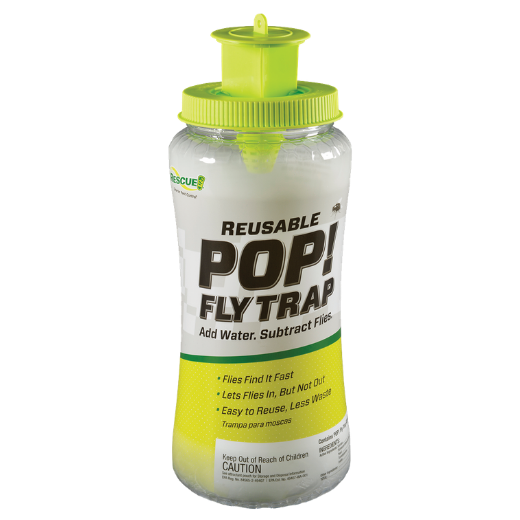
Fly Trap, POP! Fly
The RESCUE! POP! Fly Trap comes with one packet of water-soluble lure packa...
VIEW PRODUCT »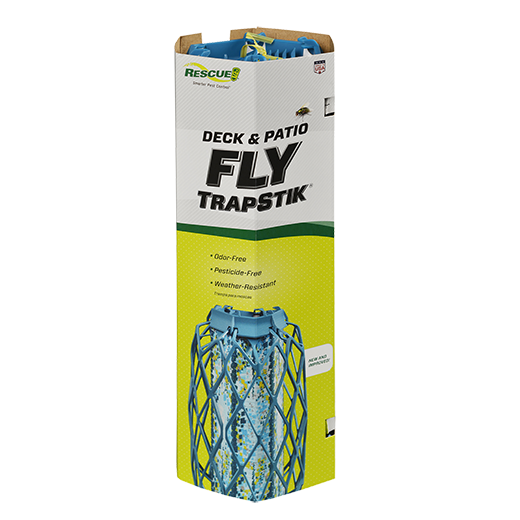
TrapStik, Deck & Patio Fly
Uses our exclusive VisiLure® technology to draw insects with appea...
VIEW PRODUCT »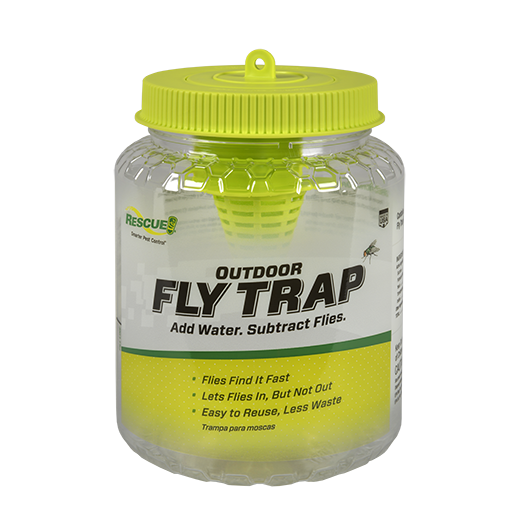
Fly Trap, Reusable
The trap comes with a water-soluble lure pouch. When the jar is filled with warm...
VIEW PRODUCT »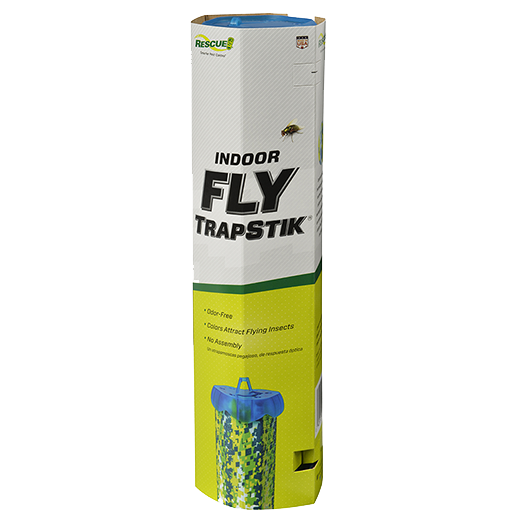
TrapStik, Indoor Fly
The Indoor Fly TrapStik uses our exclusive VisiLure® technology&nb...
VIEW PRODUCT »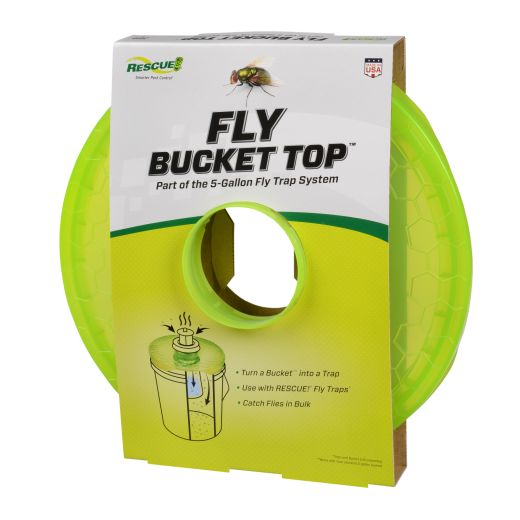
Fly Bucket Top
Turn any 5-gallon bucket** into a jumbo fly trap with the Fly Bucket Top and a c...
VIEW PRODUCT »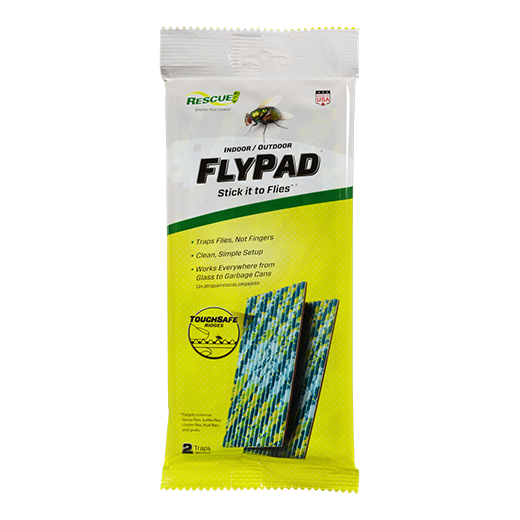
Common types of Flies


Related Articles
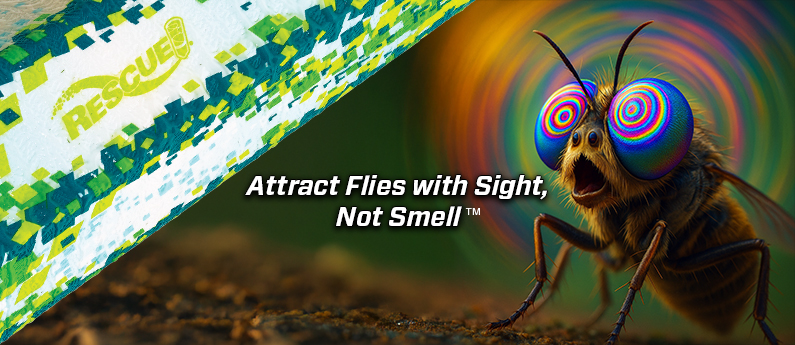
RESCUE!'s VisiLure technology uses colors and patterns—not odors—to attract flies and other pests. Learn how it works and the best places to use it in this article.
Read More »